

What is Cognitive Behaviour Therapy (CBT): Evidence-Based Support for Individuals and Professionals
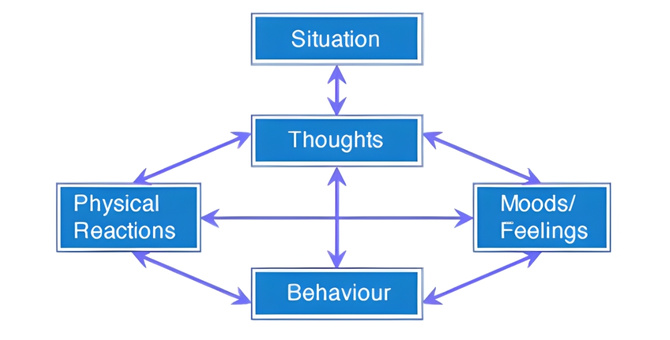
Cognitive Behaviour Therapy (CBT) is a structured, evidence-based psychological therapy that helps people understand and change the patterns of thinking and behaviour that can maintain emotional distress, physical symptoms, and difficulties in everyday functioning.
At the UK Centre of Excellence for Psychotherapy (UCEP), CBT is delivered by highly trained clinicians using approaches grounded in science, ethics, and practical effectiveness — supporting both individual wellbeing and professional performance.
How CBT helps
CBT is based on a simple but powerful principle:
the way we think about situations influences how we feel and how we act. In turn, our behaviours can reinforce unhelpful thoughts and emotional responses.
In CBT, you work collaboratively with a therapist to:
- Identify unhelpful thinking patterns
- Understand how these affect emotions, physical sensations, and behaviour
- Develop practical strategies to create meaningful and sustainable change
CBT focuses primarily on current difficulties and present-day functioning, making it both accessible for individuals and highly relevant for people managing work, leadership, or caring responsibilities.
A therapy with strong scientific evidence
CBT is one of the most extensively researched psychological therapies worldwide. Its effectiveness has been demonstrated across a wide range of emotional and physical health conditions.
CBT is recommended by the National Institute for Health and Care Excellence (NICE), which provides independent, evidence-based guidance for healthcare services across the National Health Service (NHS) and is widely recognised by insurers, occupational health services, and employers.
Conditions CBT is recommended for
NICE recommends CBT for a range of mental health conditions, including:
- Anxiety disorders (including panic disorder and post-traumatic stress disorder)
- Depression
- Obsessive-compulsive disorder (OCD)
- Bipolar disorder
- Psychosis and schizophrenia (as part of a broader care pathway)
There is also strong evidence that CBT is helpful for:
- Stress, burnout, and work-related pressure
- Chronic fatigue and long-term health conditions
- Chronic pain and persistent physical symptoms
- Sleep difficulties and insomnia
- Anger and emotional regulation difficulties
- Behavioural and emotional difficulties in children and young people
CBT in everyday life and professional contexts
CBT is particularly effective because it equips people with practical, transferable skills that can be applied beyond therapy sessions.
For individuals, this may mean:
- Improved emotional regulation
- Reduced anxiety or low mood
- Greater confidence and self-understanding
- Improved quality of life
For professionals and organisations, CBT supports:
- Psychological resilience and sustained performance
- Clearer thinking under pressure
- Recovery from stress-related difficulties or burnout
- Effective return to work following mental health absence
How CBT is delivered
CBT can be offered in a range of formats, including:
- One-to-one therapy
- Group-based interventions
- Blended approaches combining face-to-face, remote, and digital support
A typical course of CBT involves 5–20 sessions, usually delivered weekly or fortnightly, with each session lasting 30–60 minutes. The number of sessions depends on the nature and complexity of the difficulties being addressed.
CBT can be used on its own or alongside medication prescribed by a GP or psychiatrist, depending on individual needs.
A collaborative and empowering approach
CBT is not about being told what to do. It is a collaborative, goal-focused therapy in which you and your therapist work together to:
- Clarify the difficulties you want help with
- Set realistic and meaningful goals
- Develop skills you can continue using long after therapy ends
CBT involves active participation during and between sessions, helping to build long-term self-management and resilience.
Quality, governance, and professional standards
At UCEP, all CBT interventions are:
- Evidence-based and outcome-informed
- Delivered by appropriately qualified and supervised clinicians
- Governed by UK professional, ethical, and clinical standards
This ensures confidence for individuals seeking support and for organisations commissioning services.
Working with UCEP
We support individuals, families, professionals, and organisations, offering CBT pathways that are compassionate, effective, and tailored to real-world demands.
